

Scroll down
Desalinization, water 4.0, and how we are combating global water scarcity
Climate change is having a big impact on global water supplies. Does renewable energy and digital transformation offer a solution?
There is mounting evidence of the destabilizing effects of water scarcity and stress on the planet’s vital ecosystems. Populations around the world need modern, resilient water infrastructure – and they need it fast. But while investment into modern water procurement techniques is rapidly expanding, major logistical challenges remain.
Despite access to clean water and sanitation being a UN Sustainable Development Goal, already, one in three people globally do not have access to clean drinking water – a challenge that requires innovative thinking and revolutionary technologies.
The Middle East is already the most water-scarce region of the world, with extremely high water stress. Droughts are becoming more frequent, and as much as 12 million hectares per year are being lost to desertification. With key water infrastructure likely to come under increasing pressure in the coming decades, substantial and rapid action is required to ensure the effects of water scarcity are contained.
Building resilient infrastructures that support ecosystems and enable community access to clean and safe drinking water is one of the foremost challenges facing humanity.
Using the insight of the Middle East to globalize desalination
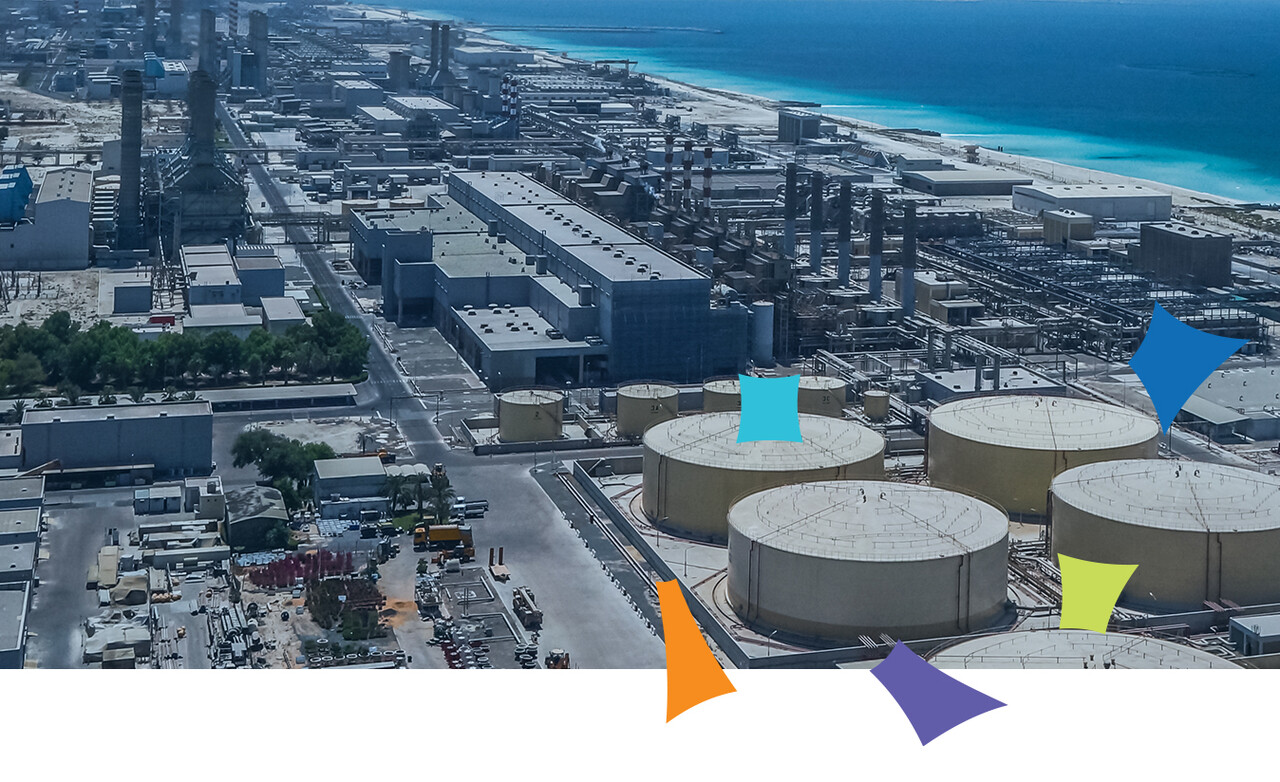
Desalinization is a leading solution for helping ensure that communities all over the world have reliable and sustainable access to water. Where arid and desert regions are particularly dependent on rainwater for soil moisture, desalination offers an alternative. This process refines sea water, removing impurities and minerals, and turning it into potable water. There are currently two main methods of doing this. The first, reverse osmosis, removes salt and minerals through a complex series of semi-permeable membranes. The second method, thermal desalinization, uses heat to evaporate and condense water.
The use of desalinization in the Middle East isn’t new – we’ve been rolling out the technology in Saudi Arabia for decades. Already Gulf Cooperation Council (GCC) countries make up half of the world’s desalinization capacity, with some Middle East countries using desalinization to produce 90% of their drinkable water.
Desalinization holds great promise. Even though it’s already deployed at global scale, the process needs to continue the progress made in the past decade to become a more sustainably powered operation.
Water Desalinization challenges and solutions
Water Desalinization is facing many challenges especially high costs as it requires a large amount of energy which leads to a possible environmental harm due to CO2 emissions. So, it is vital to promote the use of renewable energy sources, such as solar and wind, in order to reduce the energy consumption in water desalination projects. Investing in research and development of new desalination technologies with lower CO2 emissions such as a reverse osmosis membrane and distillation techniques is another solution.
At Alfanar Projects, we are leveraging advances in solar power to provide renewable electric energy to major desalinization plants, bringing the cost of production down and helping to create a circular economic production cycle.
Digital transformations in water infrastructure
Developing resilient water infrastructure requires harnessing technological innovations to allow communities to better understand and manage their water needs.
In Haiti, where just under half the population lacks access to potable water, a major challenge facing the resiliency of water infrastructure is inaccurate information on the integrity and status of key water infrastructure. But with the creation of a centralized database to monitor Haiti’s critical infrastructure through a data-monitoring network, it is easier for users to analyze and understand the status of key infrastructure. The digitization of Haiti’s water architecture means authorities can more efficiently monitor and predict outages in the water network, substantially improving the resilience of Haiti’s water infrastructure during periods of high stress.
When completed, the NEOM mega city will meet all its water needs by using advanced technologies to power entirely renewable water infrastructure. The city’s main water supply will be provided by carbon-neutral desalinization processes with zero harmful brine discharge, as well as being powered by renewable energy.
In many areas of the world, agricultural irrigation is a major drain on the region’s water reservoirs and dams. A trial in Al-Hassa is showing that smart monitoring and heat mapping of crops can help save vast sums of water without reducing crop yield. In fact, the trial results show that despite a 21% increase in crop yield, 44% less water was used during the process.
Achieving water 4.0
Water 4.0 represents the next frontier of water infrastructure. Through combining the use of cyber-physical systems, the Internet of Things (IoT), and the Internet of Services (IoS), the fourth water revolution uses innovative technologies to build a decentralized system of water management that can communicate with itself and users intuitively, and in real-time.
From advanced satellite imaging that provides far more detailed mapping of groundwater levels to artificial intelligence that analyzes data trends and can help predict integrity threats to key infrastructure, technological innovations and interoperability promise a new generation of solutions to water scarcity and quality.
Bringing these technologies together can help power innovative solutions that build infrastructural resilience in the face of a warming climate. And while developments in the Middle East and GCC countries are integrating water 4.0 solutions, we are still some way from a truly intelligent water management architecture that can help ensure clean and renewable water is accessible to people and the planet.
No single actor can overcome the challenge of water scarcity. And with water 4.0 representing the combined intelligence of big data, technology, manufacturing, and science, it has the potential to foster the kind of collaboration needed to tackle this global challenge.
Partnering for a resilient future
At Alfanar Projects, we’re utilizing sustainable solutions to develop innovative infrastructure for water and wastewater projects through revolutionary technologies. From renewable energy stations to vital civil engineering projects, we leverage our expertise in project development and engineering construction to push the boundaries of sustainable developments. As climate change continues to impact communities all over the world, we are closely monitoring the ways we can leverage our expertise to combat this most pressing of issues.